

Plumbing systems are mostly out of sight, out of mind—until water starts spraying across your kitchen floor. In that moment of panic, your first instinct is to reach under the sink and turn the shut-off valve to stop the flow. But what happens when you turn that handle and… nothing happens? Or worse, the handle snaps off in your hand?
This is a scenario we see all too often in older Coachella Valley homes. The “angle stops” (the small oval valves under toilets and sinks) are the most critical emergency devices in your home, yet they are often the most neglected. Because they sit untouched for 10 or 15 years, the internal washers seize up, or the stems corrode from mineral deposits. When you finally need them in an emergency, they fail. Treating these valves as proactive maintenance rather than reactive repair is the key to protecting your home from water damage.
The “Quarter-Turn” Upgrade
If your home was built before the mid-2000s, you likely have “multi-turn” valves. These look like small garden hose handles and require several rotations to close. They rely on rubber washers that dry out and crack over time in the desert heat.
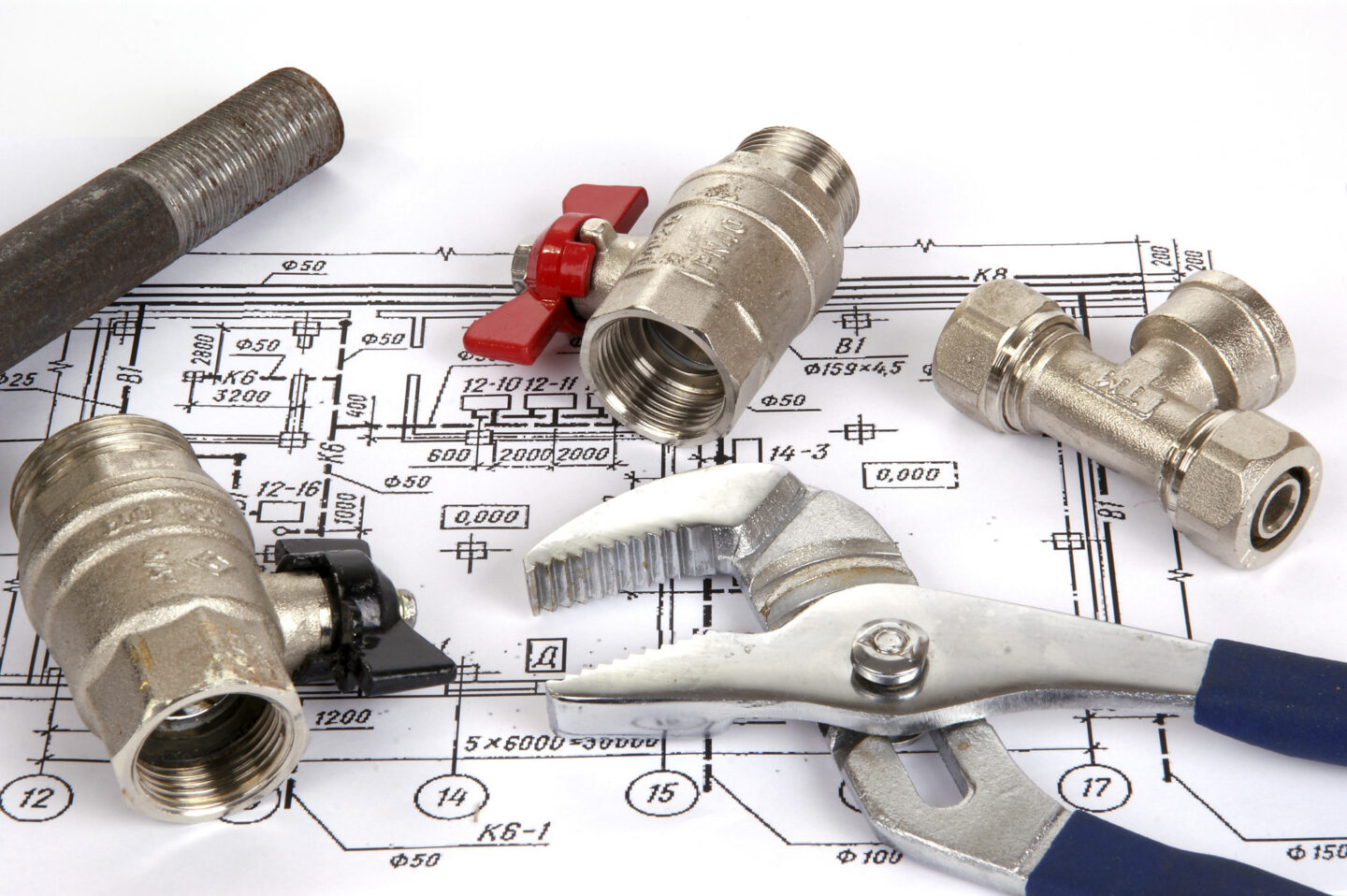
The modern standard is the “quarter-turn” ball valve. These have a lever handle rather than a knob. As the name implies, you only turn them 90 degrees to completely cut off the water. Inside, they use a stainless steel ball and Teflon seats that are virtually impervious to seizing. Upgrading your old, crusty angle stops to modern quarter-turn valves is one of the smartest “minor” plumbing investments you can make. It ensures that if your dishwasher hose bursts or your faucet springs a leak, you can shut the water off instantly and reliably. Home maintenance checklists from insurers like State Farm frequently highlight checking shut-off valves annually to ensure they aren’t “frozen” in the open position.
Supply Lines: The Weakest Link
Connected to those valves are the supply lines—the flexible tubes that feed water to your faucet and toilet. Older homes often utilize rigid grey plastic (polybutylene) or plain rubber hoses. These materials degrade over time and are prone to sudden bursting.
We always recommend swapping these out for “braided stainless steel” supply lines. These hoses feature a rubber inner tube wrapped in a woven steel mesh. The steel mesh prevents the rubber from expanding and bursting under pressure. It is a cheap insurance policy against a flooded bathroom. A skilled handyman can swap out both the valve and the supply line in a single visit, fortifying the weak points of your plumbing system without the cost of a full repipe.
The Main Shut-Off: Know Where It Is
Finally, do you know where the main water shut-off for your entire house is? In the desert, it is usually located near the street in a concrete box, or on the side of the house near the hose bib.
It is surprising how many homeowners have never located this valve. If an angle stop under a sink breaks, the main shut-off is your only backup. We can help you locate this valve, test it to ensure it turns freely, and even label it for you. If it requires a special “curb key” tool to operate, we can advise you on having one handy. Being prepared turns a potential flood disaster into a minor inconvenience.
Your Coachella Valley Experts for Minor Plumbing Tasks
Don’t wait for a burst pipe to find out your shut-off valves don’t work. We specialize in the preventative maintenance that keeps your home safe and dry. From upgrading angle stops to installing braided steel supply lines, we handle the details that matter. Trust B Frye The Handy Guy for your home maintenance needs. Learn more about our Minor Plumbing Tasks or schedule a safety check via our Contact Us page.