

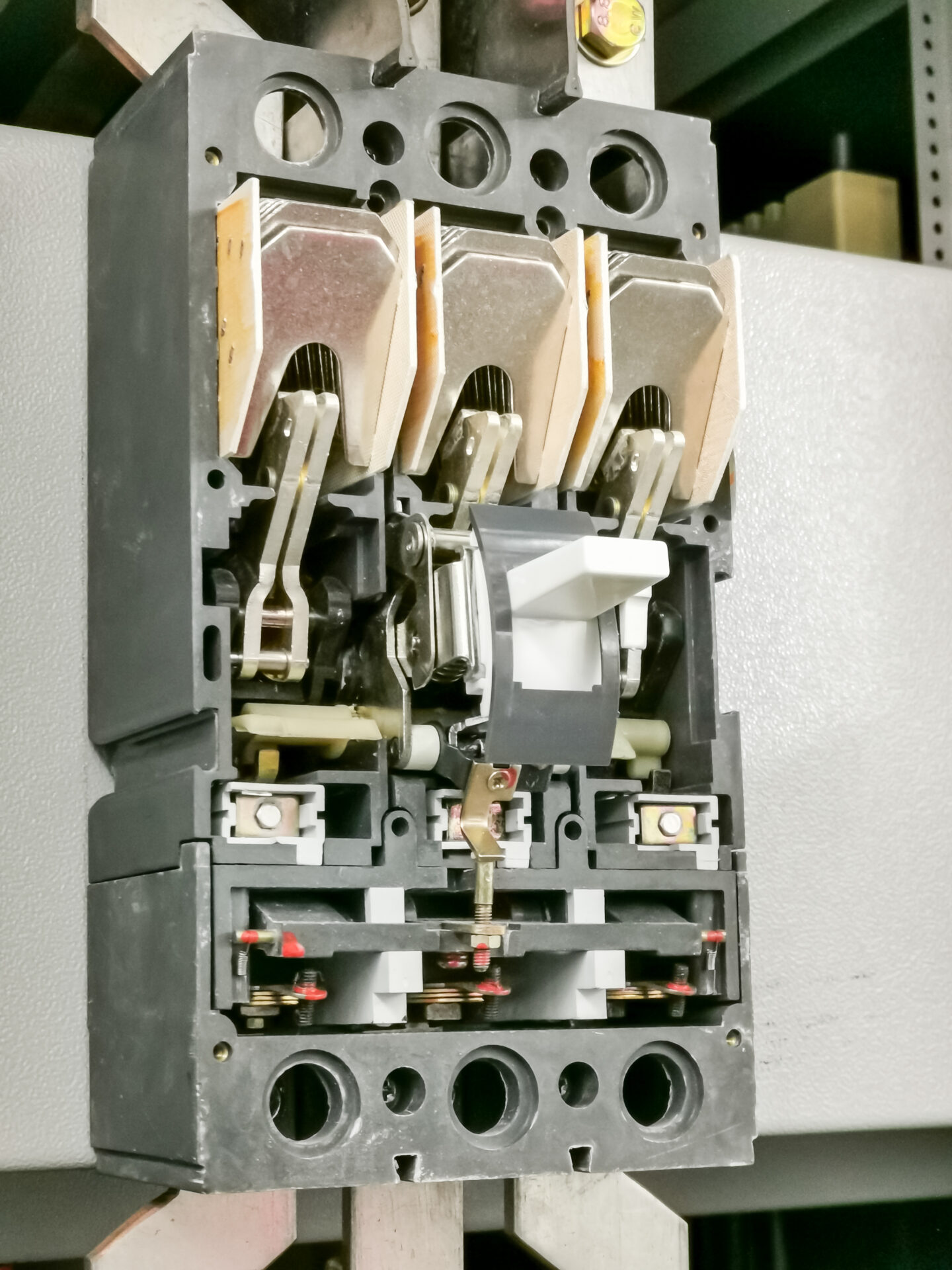
In the age of online video tutorials and DIY blogs, it can be tempting to tackle home improvement projects yourself to save a few dollars. While tasks like painting a room or assembling furniture are great for a weekend project, electrical work is in a completely different category. Working with your home’s electrical system without the proper training, tools, and knowledge is incredibly dangerous. It poses a significant risk of electric shock, fire, and damage to your home and appliances. For any task beyond changing a lightbulb, hiring a professional for even “light” electrical work is the smartest and safest decision you can make.
The Risk of Electric Shock and Electrocution
The most immediate danger of DIY electrical work is severe personal injury. A standard 120-volt household circuit carries more than enough current to cause a fatal electric shock. Even if you believe you’ve turned off the correct circuit breaker, mistakes can happen. A mislabeled breaker panel or a wiring issue you’re unaware of can mean the circuit you’re working on is still live. A professional electrician or skilled handyman knows how to use a voltage tester to ensure a circuit is completely dead before beginning any work. They understand how to safely navigate a panel and respect the inherent dangers of electricity. However, just like messing with your plumbing can mess up your home, some tasks are better left to experts who know what they are doing.
The Hidden Danger: Fire Hazards
Even if you complete a DIY electrical project without getting shocked, you may have unknowingly created a serious fire hazard that could smolder for weeks or months before disaster strikes. The vast majority of electrical fires are caused by faulty wiring and connections.
- Loose Connections: A wire that is not securely fastened to a terminal screw on an outlet or switch can create an “arc fault.” This is where electricity jumps across the tiny gap, generating immense heat that can easily ignite the surrounding wood framing or insulation.
- Overloaded Circuits: Do you know how many outlets and fixtures are on a single circuit? A professional does. Adding a new light fixture or outlet to an already overloaded circuit can cause the wires to overheat and the insulation to melt, creating a major fire risk.
- Using the Wrong Materials: Using the wrong gauge of wire for the circuit’s amperage, failing to use proper junction boxes, or using indoor-rated wire for an outdoor application are all common DIY mistakes that violate safety codes and can lead to fires.
As the Electrical Safety Foundation International (ESFI) reports, thousands of home fires are caused by faulty electrical systems each year. Professional installation is your best defense against becoming a statistic.
Code Violations and Insurance Issues
All electrical work is governed by the National Electrical Code (NEC) and local building codes. These codes are in place to ensure safety. A professional understands these complex regulations and ensures all work is performed to code. Improper, unpermitted DIY electrical work can not only create safety hazards but can also cause problems when you try to sell your home. Even more concerning, if a fire is caused by faulty, non-compliant DIY wiring, your homeowner’s insurance company could potentially deny your claim, leaving you with the full financial burden of the loss.
Your Coachella Valley Expert for Light Electrical Work
Some jobs are simply not worth the risk. When it comes to the electrical system in your home, safety is paramount. For homeowners in the Coachella Valley who need help with tasks like installing a new ceiling fan, replacing a light fixture, or upgrading switches and outlets, trust a professional. The team at B Frye The Handy Guy has the expertise to handle all your light electrical work safely and correctly. Contact us today for a consultation.